Discipleship Cohorts
Growing and multiplying disciples through intentional relationships.
Deep discipleship. Real multiplication.
Cohorts are smaller, focused discipleship groups designed to help you grow deeply in your walk with Jesus and to bring others along to do the same.
Typically made up of 3–5 people, cohorts create space for intentional investment in a 1-on-3 (or similarly small) setting. These aren’t just Bible studies. They are environments for personal discipleship, spiritual formation, and multiplication.

A SIMPLE MODEL : GET, GATHER & GROW
1.Get
Discipleship starts by simply inviting a few people. You decide:
What you’ll be doing
When you’ll be meeting
What the goal is
Then you set a start date and begin.
2.Gather
Each time you meet, you focus on four core elements:
Study Together
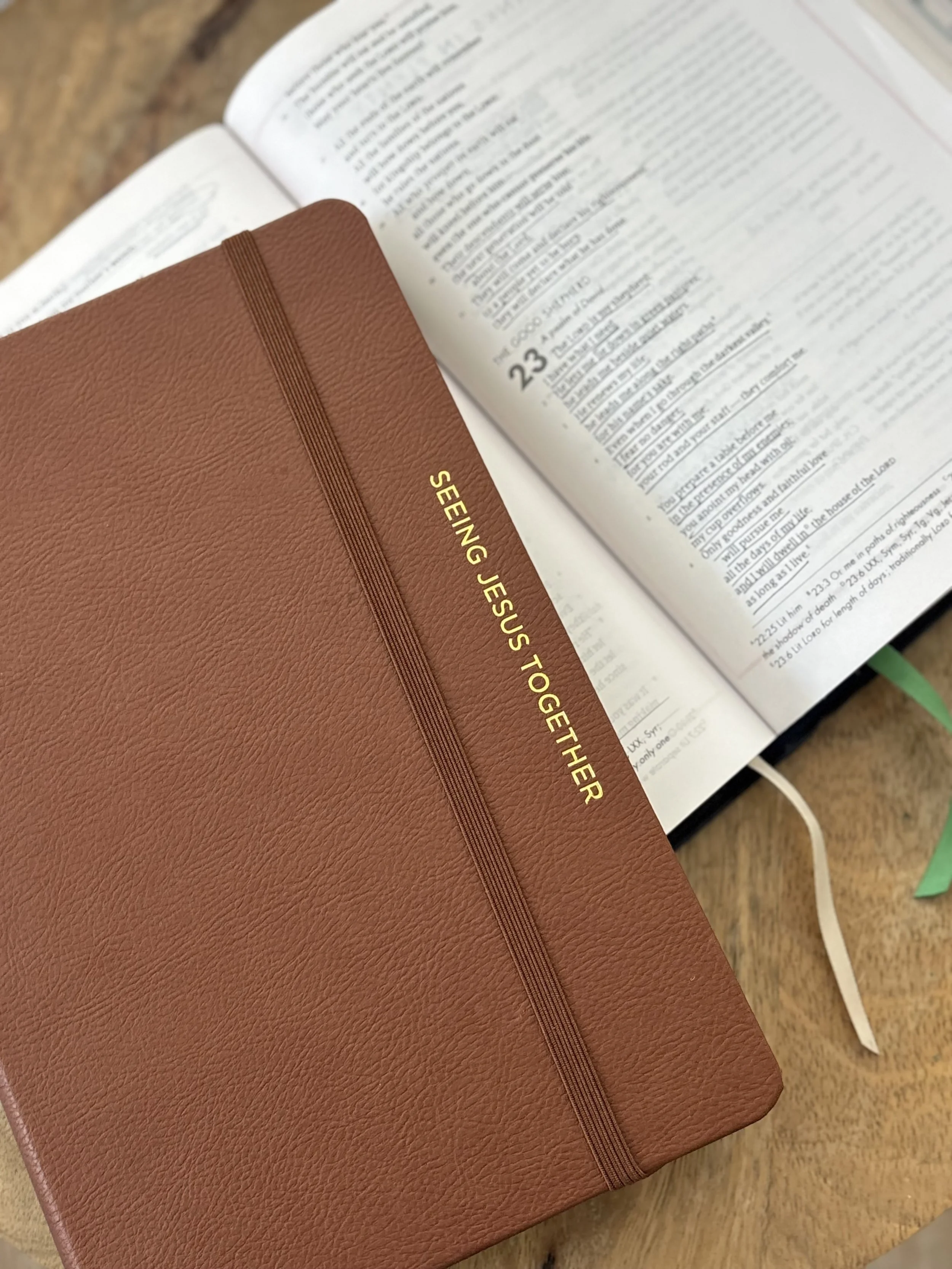
Work through Scripture, a book study (see our recommended resources below), or the Seeing Jesus Together Journal. Study with the goal of knowing Christ and applying His Word.
Pray Together
Share burdens. Intercede for one another. Ask God to do what only He can do — transform hearts.
Talk Life Together
Build trust. Share honestly. Encourage confession, growth, and confidentiality.
Have Fun Together
Discipleship includes joy. Laugh. Share meals. Share coffee. Build real friendship.
3.Grow
The aim of every cohort is multiplication.
Discipleship, by definition, leads to disciples making disciples. Cohorts typically last 6–12 months, with the goal of sending participants out to begin discipling others.
Throughout the cohort, participants will
Practice leading discussions
Identify people you could begin discipling
Launch new cohorts when your time concludes
The mark of a healthy cohort isn’t just how well you grow, it’s how well you help others grow.
GROW IN MATURITY. LIVE ON MISSION.
Why should I be in a Cohort?
Because spiritual growth doesn’t happen by accident.
Cohorts provide:
Intentional accountability
Deeper biblical study
Honest spiritual conversations
Consistent prayer support
Practical equipping for evangelism
A pathway to actively make disciples
If City Groups help you belong, Cohorts help you build.
They move you from attending to investing.
From learning to leading.
From being discipled to discipling others.
If you desire to grow in maturity and live on mission, a cohort is your next step.
Frequently Asked Questions
-
City Groups focus on community and living out the gospel in a larger group setting. Cohorts are smaller, more intentional discipleship environments designed for spiritual formation and multiplication.
-
Most cohorts last 6–12 months with a clear start and end date.
-
We encourage Cohorts to use the Bible as their primary foundation. A helpful tool for this is the Seeing Jesus Together Bible reading plan and journal, which builds the habit of daily Scripture reading while creating space for reflection and response. The journal also includes prompts designed for processing alongside others—making it a great fit for a Discipleship Cohort.
In addition, cohorts may choose to work through a recommended book study, such as:
The Cost of Discipleship, Dietrich Bonhoeffer
Disciplines of a Godly Man, R. Kent Hughes
The Pursuit of Holiness, Jerry Bridges
None Like Him, Jen Wilkin
The Envy of Eve, Melissa Kruger
-
The goal is multiplication, but you won’t be thrown into it alone. You’ll be equipped, encouraged, and supported as you grow toward discipling others.
-
Typically 3–5 people to allow for depth, vulnerability, and intentional investment.
-
You can join an existing cohort or start one by inviting a few people you’re already building relationships with such as those in your city group. Set a start date and begin. If you need help getting started, we’d love to walk with you. Fill out this quick form and we will be in touch.
Recommended Resources
PRIMARY RECOMMENDED RESOURCE
RECOMMENDED RESOURCE
ACCOUNTABILITY QUESTIONS to Ask in a Discipleship Cohort
SECONDARY RESOURCES
The Cost of Discipleship, Dietrich Bonhoeffer
Disciplines of a Godly Man, R. Kent Hughes
The Pursuit of Holiness, Jerry Bridges
None Like Him, Jen Wilkin
The Envy of Eve, Melissa Kruger